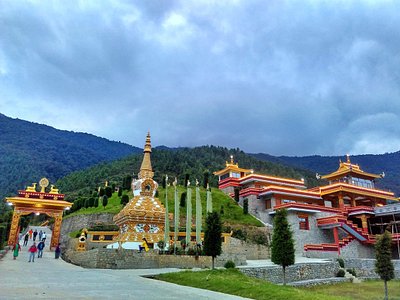
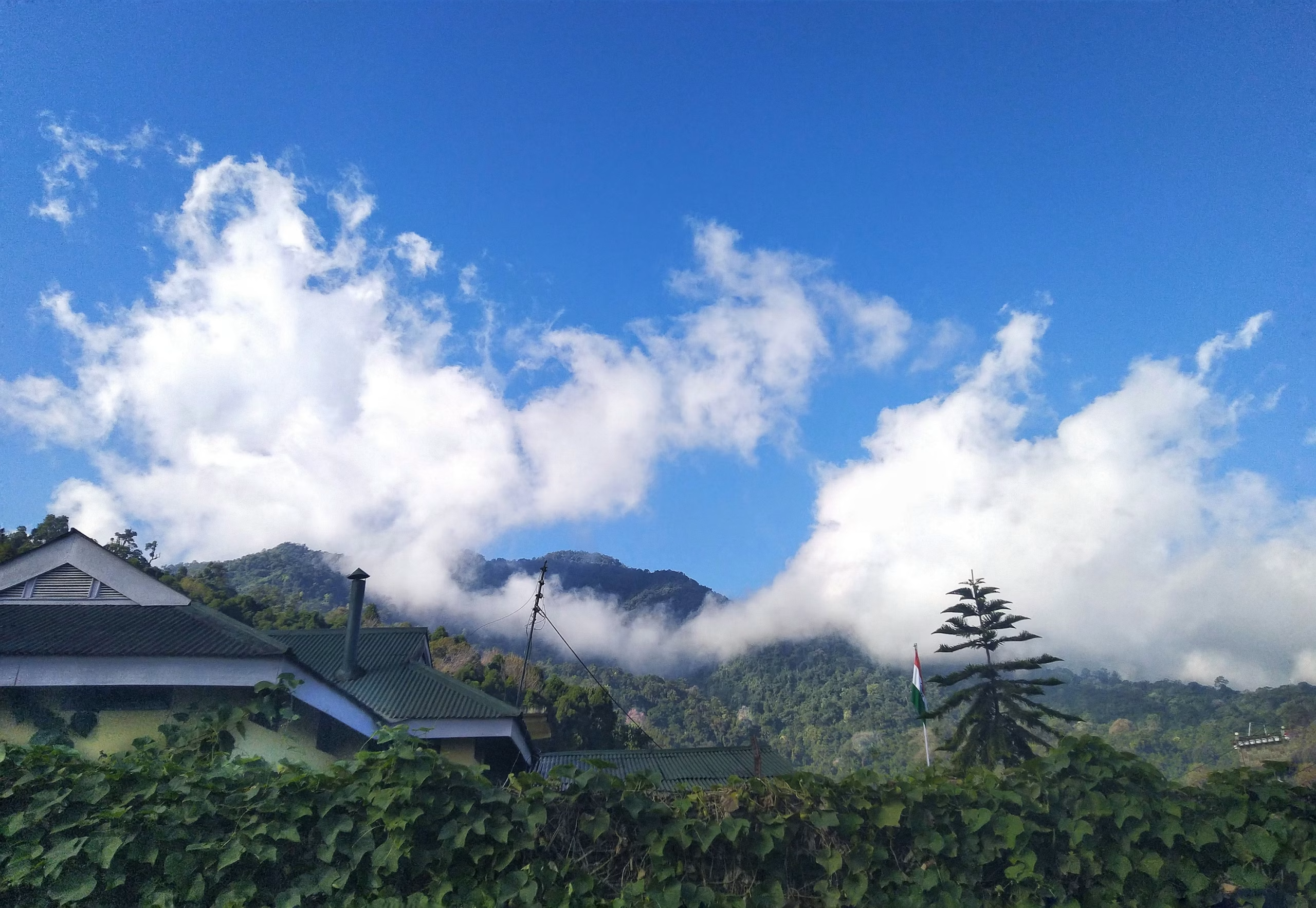
For a 3-night trip to Kohima, the most efficient plan involves using the city as a base to explore historical landmarks, cultural heritage villages, and the famous “Green Village” of Khonoma.
Highlights
- Kohima War Cemetery - Famous for the "Kohima Epitaph": "When you go home, tell them of us and say, for your tomorrow, we gave our today".
- Kisama Heritage Village - A living museum of 17 Naga tribes; essential even outside the Hornbill Festival dates.
- Nagaland State Museum - Houses rare artifacts, traditional jewelry, and weapons that tell the story of Naga history.
For a 3-night trip to Kohima, the best approach is to balance historical sites in the city with the unique culture of nearby Angami tribal villages.
Upon arrival, meet your Driver at the airport and then transfer to Kohima.
After lunch, explore the World War II Memorial, the Local Market, the State Museum, and the Cathedral.
Post breakfast, explore the Kisama Hornbill Ground, Second World War Museum, and Naga Morung in Kisama Village. Later, after lunch, visit Khonoma Village
After breakfast, drive towards Phusachodu. En route, we shall visit Kade Park at Kami Village and further proceed to Pfutsero Town, this little township at an altitude of 2233.60m is known for its vegetable and fruit products. Sightseeing at Glory Peak, lunch at Pfutsero Town. Post lunch, proceed to Phüsachodü, which is the biggest village under Phek District. This village is believed to be the pathway for the warriors and therefore only the brave had settled over this ridge, for sporting of Headhunting.
After breakfast, transfer to Dimapur Airport for departure.
- 24x7 customer service executive.
- Accommodation: Double Sharing in the mentioned or similar hotel.
- Meal: As mentioned (Meals as per Hotel’s set menu and policy))./ As Mentioned with Rates
- Vehicle: Exclusive Vehicle(Private basis with Tourist Regn Number) for All ground transfers and sightseeing: The vehicle will be on a point-to-point basis. |AC facility is unavailable while at Hills, Mountain & Parking.
- 1 X 500ml Courtesy Water bottle per person each day during the tour.
- “Inner Line Permit” for all visiting Guest
- Driver's Allowance, Fuel Charges, Toll Taxes, Parking Charges.
- GST – Goods and Service Tax
- Any medical expenses due to any unforeseen accident in the hotel or while on the road.
- Any additional charges for the Vehicle – if the guest extends the tour or alters the route/course of the tour.
- Any Airfare/Train fare
- Any additional stay due to any Riot, Strike, or natural calamity.
- In-Case of Emergency such as landslides, additional expenses(i. Extra Fuel, ii. Additional vehicle, iii.additional stay of hotel) has to be borne by the guest
- Any Safari other than those mentioned
- Meals other than those mentioned above.
- Any Naturalist Fees in any Wildlife zone.
- Entry to the monuments / POI / Village.
- Any optional sightseeing or Activity.
- Any mandatory local POI guide.
- Tips, Telephone bill, Laundry, Hi-tea, personal expenses, Room Heater.
- Anything not mentioned in "Inclusion"
- English/Spanish/French Speaking Guide
- International/Domestic flights and/or train
- Indian Visa https://indianvisaonline.gov.in/visa/tvoa.html
Indian Citizens: Require an Inner Line Permit (ILP), which can be applied for online at the Nagaland State Portal.
Foreigners: No longer need a Protected Area Permit (PAP) but must register at the nearest Foreigner’s Registration Office (FRO) within 24 hours of arrival.
Peak Season: October to May.
Festival Time: December 1–10 for the Hornbill Festival at Kisama Heritage Village.
Weather: Winters (Nov–Feb) are chilly, with temperatures sometimes dropping below 5°C
Sunday Closure: Most shops and attractions in Kohima remain closed on Sundays as it is a predominantly Christian state.
Early Closures: Shops typically close early, often by 4:00 PM or sunset.
Connectivity: The network can be patchy; Jio generally provides the most reliable service in the region.
Food: Try local specialties like
smoked pork with bamboo shoots or
Zouthou (rice beer).